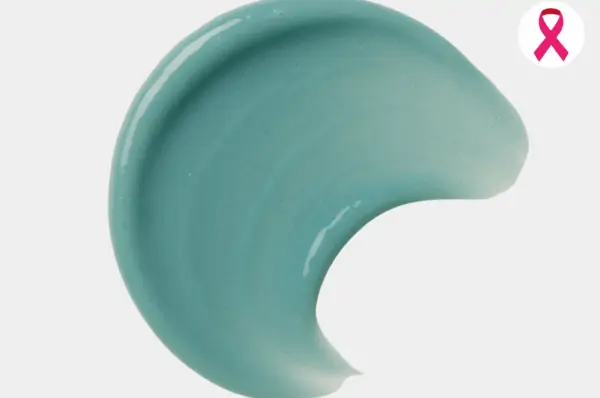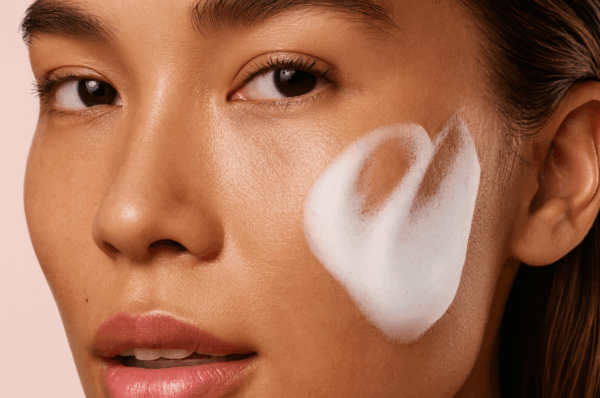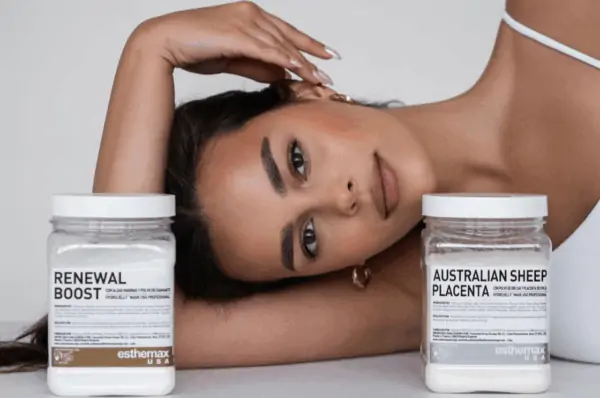

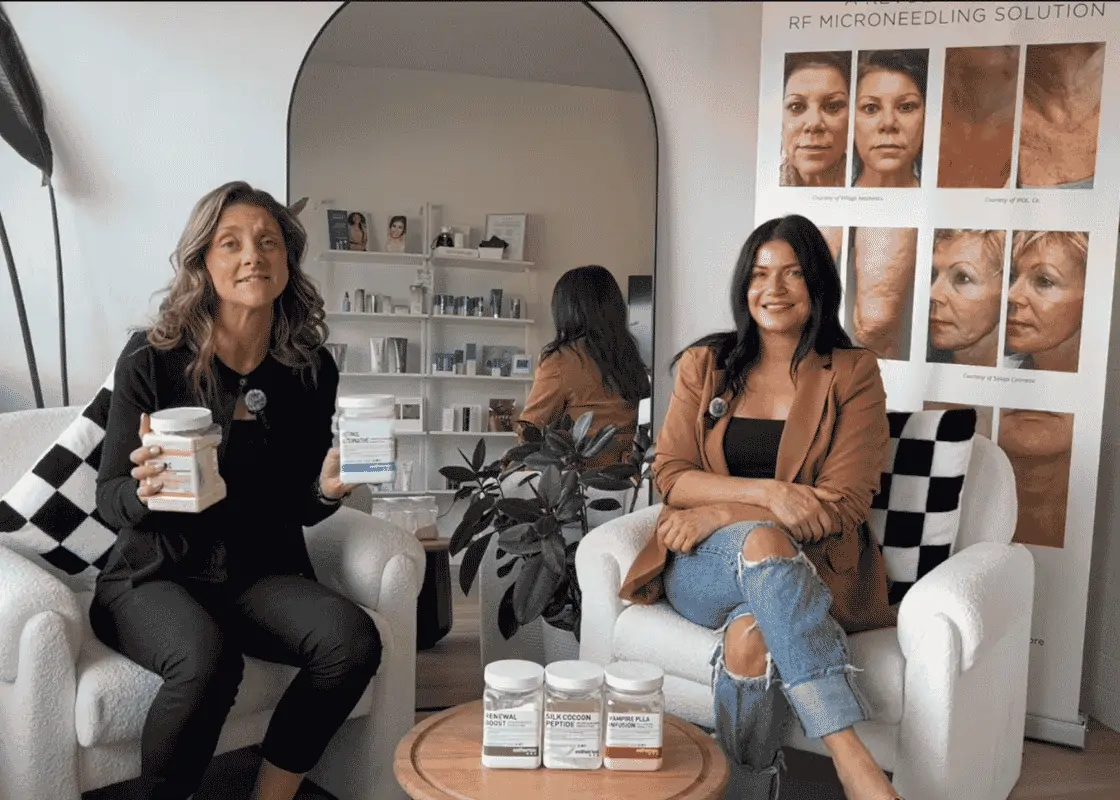
In a side-by-side test by two licensed estheticians, the Esthemax hydrojelly mask mixed to a smoother, lump-free consistency with a portioned scoop system, listed a fully transparent ingredient deck, and produced a cooling, redness-reducing finish on sensitive and acne-prone skin. The Amazon dupe they tested mixed less evenly, thickened faster, contained undisclosed fragrance and dye, and left skin feeling tacky with no visible calming effect. Their conclusion: dupes may be fine for a personal or friend-to-friend mask night, but they don’t hold up to the ingredient transparency and predictable performance a licensed treatment room requires.
Why Estheticians Are Comparing Hydrojelly Masks to Amazon Dupes
Hydrojelly masks have become a staple add-on in esthetics treatment rooms; used for their cooling, calming, and hydrating effect, often layered in after microneedling, dermaplaning, or other resurfacing treatments. As the category has grown, lower-cost “professional grade” jelly masks have started showing up on Amazon, prompting a natural question from working estheticians: is a cheaper alkaline jelly mask actually interchangeable with an established professional brand like Esthemax?
Two licensed estheticians and aesthetics instructors (one acne-focused, one oncology- and anti-aging-focused) put that question to the test, mixing and applying both masks on real skin and comparing them across mixing quality, skin feel, ingredient transparency, and treatment-room suitability.
| Category | Esthemax Hydrojelly Mask | Amazon Dupe |
|---|---|---|
| Mixing consistency | Smooth, portioned scoop system, no guesswork | Grainier texture, harder to mix evenly |
| Application glide | Consistent glide across the face | Required more pressure to spread |
| Set time | Standard working window for full application | Thickened faster, shorter working time |
| Skin feel on application | Cooling and soothing, including on sensitive/mature skin | Slightly tingly on the same skin type |
| Post-treatment result | Reduced visible redness and inflammation | Left skin feeling tacky, no visible redness reduction |
| Ingredient transparency | Full ingredient list published, including actives like algae extract and hyaluronic acid | Ingredient list difficult to find in full |
| Fragrance/synthetic dye | Not used | Present in the version tested |
| Best suited for | Licensed treatment rooms and clinical protocols | Personal or at-home use |
Mixing and Application: Where the Difference Starts
The testers found the mixing stage was the first clear point of separation. Esthemax’s pre-measured scoop system removed the guesswork on powder-to-water ratio, producing a consistently smooth mix every time. The Amazon dupe they tested had a grainier powder that took more effort to fully incorporate and didn’t glide onto the skin as easily: a practical issue in a treatment room where consistent timing and texture matter for the client experience.
The dupe also set up faster once mixed, which shortened the practical working window for full-face application: a meaningful difference when working under time pressure between other treatment steps.
Skin Performance: Cooling and Calming vs. Tingling and Tacky
On skin, the difference showed up most clearly in sensation and finish. On mature, sensitive-combination skin, the Esthemax mask delivered a cooling, soothing sensation, which the testers noted would pair well as a post-treatment add-on after something like microneedling. The Amazon dupe produced more of a tingling sensation on the same skin type.
On acne-prone skin specifically, the Esthemax mask was described as visibly reducing inflammation and redness on removal. The Amazon dupe, by comparison, left the skin feeling tacky with no noticeable reduction in redness — functioning more as a novelty extra than a treatment-enhancing step.
Ingredient Transparency: The Deciding Factor for Clinical Use
For both testers, ingredient transparency was the biggest factor separating a professional product from a dupe. Esthemax publishes its full ingredient breakdown, which allowed the testers to identify actives such as algae extract, hyaluronic acid, and botanical ingredients before ever bringing the product near a client’s skin.
The Amazon dupe’s full ingredient list was harder to locate, and the version tested contained synthetic fragrance and dye, ingredients both testers flagged as a concern for treatment-room use, particularly on skin that’s already sensitized post-treatment or in oncology-aesthetics settings where ingredient caution is critical.
Pros and Cons Summary
- Professionally formulated with predictable, repeatable performance
- Full ingredient transparency published
- No synthetic fragrance or dye in the tested formula
- Layers cleanly into clinical protocols (microneedling, dermaplaning, resurfacing add-ons)
- Supports post-treatment redness reduction
- Lower cost, easy to source
- Fine for personal or at-home/friend-to-friend use
- Harder to mix consistently
- Ingredient list not fully transparent; contains fragrance/dye
- No visible calming or redness-reduction benefit on tested skin
- Not recommended for licensed treatment-room use, especially on sensitized or oncology-aesthetics clients
Frequently Asked Questions
- Is an Amazon hydrojelly mask dupe safe to use in a professional treatment room?
Based on this comparison, no — the tested Amazon dupe had an incomplete ingredient list and contained synthetic fragrance and dye, both of which are risk factors on sensitized or post-treatment skin. Professional treatment rooms should use masks with fully disclosed ingredient decks. - What makes Esthemax’s hydrojelly mask different from cheaper alternatives?
Consistent mixing (via a measured scoop system), a fully transparent ingredient list, and a formulation free of synthetic fragrance and dye, resulting in a cooling, redness-reducing finish rather than a tacky one. - Can estheticians use a hydrojelly mask on acne-prone or sensitive skin? Yes — in this test, the professional-grade mask was cooling and reduced visible inflammation on both acne-prone and sensitive mature skin. Formulas with undisclosed fragrance or dye are generally the ones to avoid on reactive skin types.
- Is a hydrojelly mask a standalone treatment? No. Hydrojelly masks are an add-on used within a facial or advanced treatment protocol (such as microneedling or dermaplaning) to enhance the calming and hydrating effect of the overall service — not a treatment on their own.
- Is an Amazon hydrojelly mask dupe safe to use in a professional treatment room?
Comparison based on independent testing by licensed estheticians and aesthetics instructors, mixing and applying both products on real skin.